Texture is one of the most powerful yet often overlooked elements in interior design. While color and pattern tend to get all the attention, texture is what makes a room feel rich, layered, and inviting. Understanding how to use texture effectively can transform a flat, one-dimensional space into a warm, dynamic environment.
What is Texture in Design?
Texture refers to the surface quality of materials—how they look and feel. It can be tactile (physical texture you can touch) or visual (the appearance of texture). Both types play important roles in creating a well-designed space.
Why Texture Matters
Texture adds depth and dimension to a room. Without it, even the most beautifully colored space can feel flat and lifeless. Texture creates visual interest, evokes emotions, and makes a room feel complete. It's especially important in monochromatic or neutral color schemes, where texture becomes the primary source of visual variety.
Types of Textures to Consider
Soft textures like velvet, chenille, faux fur, and knitted fabrics create warmth and comfort. They invite you to touch and make a space feel cozy and welcoming. Use soft textures in areas where you want to relax, like living rooms and bedrooms.
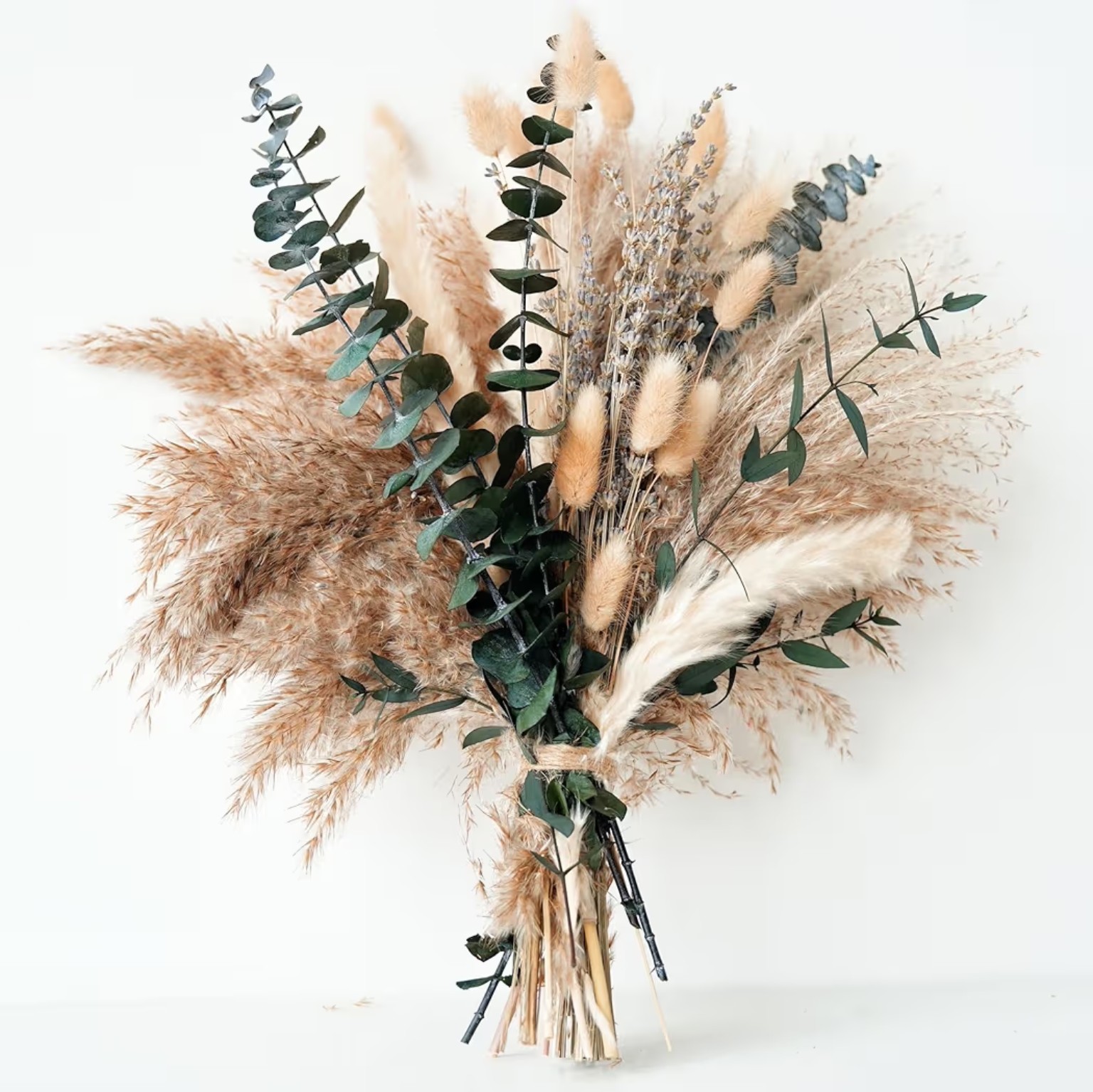
Rough textures like raw wood, exposed brick, jute, and stone add character and visual weight. They create a sense of groundedness and can make a space feel more organic and natural. Rough textures work well as accent elements or in spaces where you want to add drama.
Smooth textures like glass, polished metal, lacquered surfaces, and silk create a sleek, sophisticated feel. They reflect light and can make a space feel more modern and refined. Use smooth textures to balance rougher elements and add a touch of elegance.
Layering Textures Like a Pro
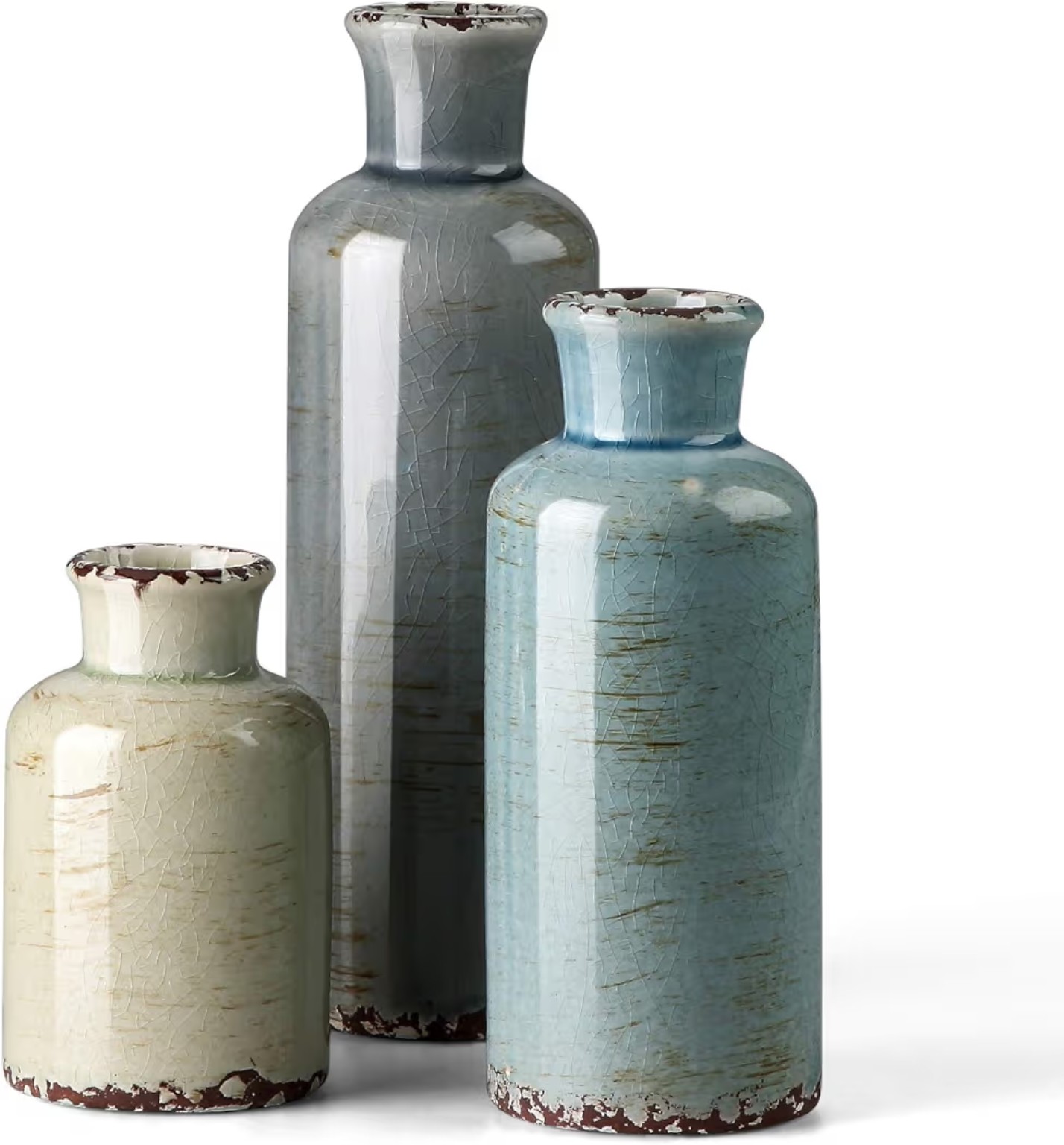
The key to successful texture use is layering. Combine different textures throughout a room to create depth and interest. Start with larger textured elements like rugs, curtains, and upholstery, then add medium-scale textures through throw pillows, blankets, and decorative objects. Finish with small textural details like woven baskets, ceramic vases, or textured picture frames.
Creating Contrast
Contrast is essential when working with texture. Pair smooth with rough, soft with hard, matte with shiny. A velvet sofa against an exposed brick wall, a sleek marble coffee table on a chunky jute rug, or polished brass accessories on a rough-hewn wood shelf—these contrasts create visual tension that makes a room feel dynamic and interesting.
Texture and Light
Consider how light interacts with different textures. Smooth, shiny surfaces reflect light and can brighten a space, while rough, matte surfaces absorb light and create a cozier atmosphere. Use this knowledge strategically—add reflective textures to dark corners and soft, light-absorbing textures in bright, sunny rooms.
Seasonal Texture Swaps
One of the easiest ways to refresh your space seasonally is through texture. In winter, layer on the cozy textures—chunky knit throws, faux fur pillows, and plush rugs. In summer, swap these for lighter textures like linen, cotton, and rattan. This simple change can completely transform the feel of a room.
Final Thoughts
Mastering texture takes practice, but the results are worth it. Start by assessing the textures currently in your space—are they varied enough? Do they create the mood you want? Then experiment with adding or swapping textures until you achieve the perfect balance. Remember, a well-textured room doesn't just look good—it feels good too.